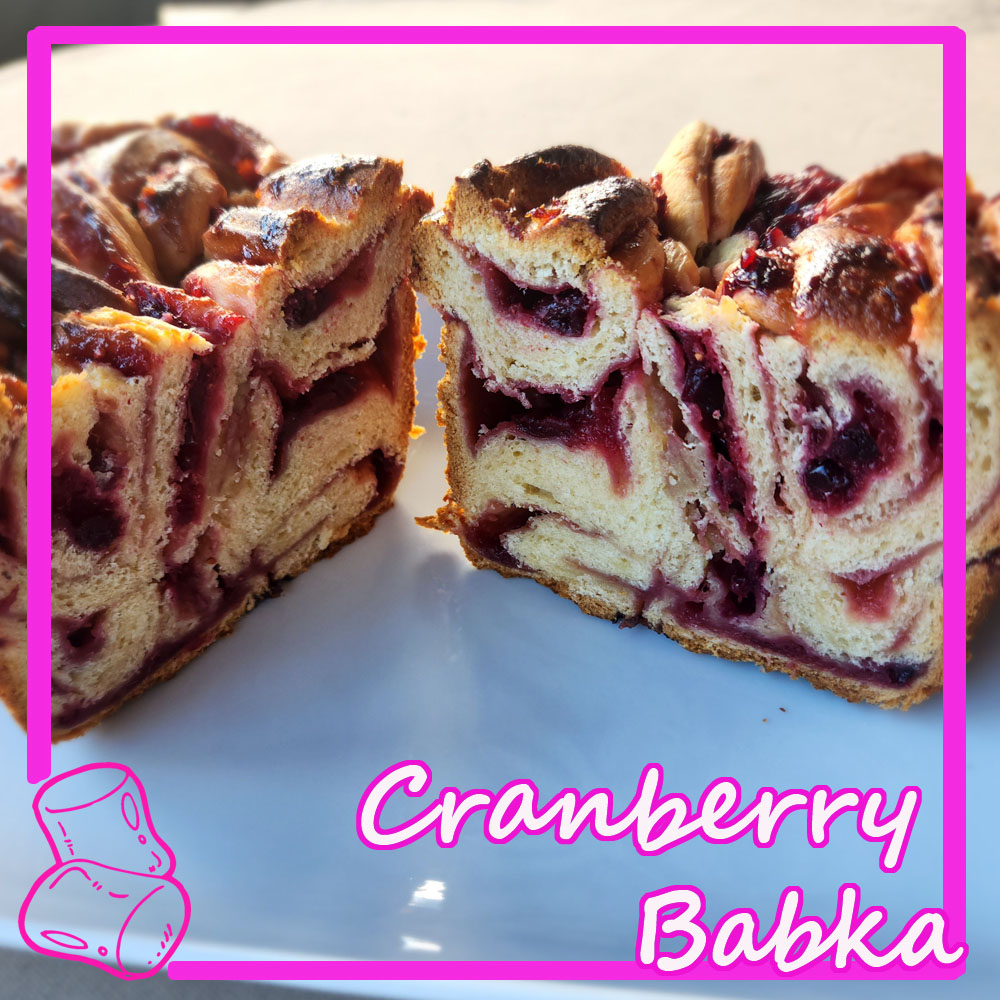
Ingredients
For the Dough
¼ c whole milk
½ package (3.5 grams) active dry yeast *
34 grams sugar
265 grams all-purpose flour, more as needed
3/4 t fine sea salt
½ t vanilla extract
¼ t grated nutmeg
2 large eggs, room temperature, lightly beaten
5 T (70 grams) unsalted butter, room temperature
For the Cranberry Filling
1 ½ c fresh or frozen cranberries
¼ c packed brown sugar
1 t cornstarch
¼ c water
1 T butter
1 T lemon juice
Directions
- In a small microwave-safe dish, heat milk until lukewarm, around 110 degrees F. If using active dry yeast, add it now with a pinch of sugar, and let sit 5 to 10 minutes until slightly foamy. (* it is possible to use fast rising yeast here in place of active dry yeast. If so, do not soak the yeast in the warm butter mixture, but include the dry yeast in the flour mixture in the next step.)
- In an electric mixture fitted with the dough hook, combine flour, sugar, salt, vanilla, and nutmeg. This can be done by hand with a wooden spoon if you don’t have a dough hook.
- Add yeast mixture and eggs, mixing for about 2 minutes until the dough comes together and no longer sticks to the sides of the bowl. If it is stubborn and continues to stick, add one Tablespoon of flour at a time until it stops sticking, mixing between each incorporation.
- Add half of the butter, mixing until the dough looks elastic, 3 to 5 minutes. Scrape down the sides as needed. Add the remaining butter and repeat, another 5 to 7 minutes. If dough becomes too sticky, again add one Tablespoon of flour at a time until it stops sticking, mixing between each incorporation.
- Coat a clean bowl with oil, form the dough into a ball and cover it in a light coating of oil as well. Cover the bowl with a kitchen towel and let it rise in a warm place. (tip: the inside of an oven with the lightbulb turned on is great!) Let dough rise for 1 to 2 hours, until fluffy. It does not need to double in size.
- Punch the dough down with your hands, recover the bowl, and let it rise in the refrigerator, this time for at least 4 hours, or overnight.
- Meanwhile, prepare the cranberry filling. Combine cranberries, brown sugar, cornstarch, and water in a small saucepan. Cook over medium heat until the cranberries burst and the mixture thickens into something like a syrup, about 10 to 15 minutes. Remove from heat, add lemon juice, and refrigerate to cool.
- After the minimum 4-hour rise, butter a 9-inch loaf pan and line with parchment paper, leaving an overhang to help you remove the bread later.
- On a floured surface, roll the dough into a 9″x17″ rectangle. Spread the filling over the entire slab of dough. Starting with a long side, roll into a tight coil. Put this coil onto a cookie sheet or cutting board and freeze briefly (15 minutes) to make it easier to handle in the next step.
- Remove from freezer and slice the coil in half lengthwise to expose the filling. You will now have two long coils. Twist them together as if braiding, then fold in half side-by-side, and drop it into the prepared loaf pan. You want as much of the “open” filling exposed on the top, and you should tuck in the ends under themselves to prevent them from rising out of the pan.
- Cover with the kitchen towel and let it rise in a warm place (oven with the light on) for 90 minutes, or cover with plastic wrap and let it rise in the refrigerator overnight. The dough will not double, but it should puff up. If you opt for the overnight method, allow dough to come to room temperature for 1 hour before baking.
- Preheat oven to 350 degrees. Bake for 40-50 minutes. The loaf should sound hollow if you knock on the bottom of the pan, and the internal temperature should be between 185 and 210 degrees on an instant-read thermometer.
- Transfer to a wire rack and cool before serving.
 I have gone down a babka rabbit hole. It is possible that 2024 is about to become the year of babka. Today’s recipe is for a cranberry babka, and as I was making – and then eating – it, I thought of all the wonderful sweet and savory variations that I’d like to try. Stay tuned, for sure.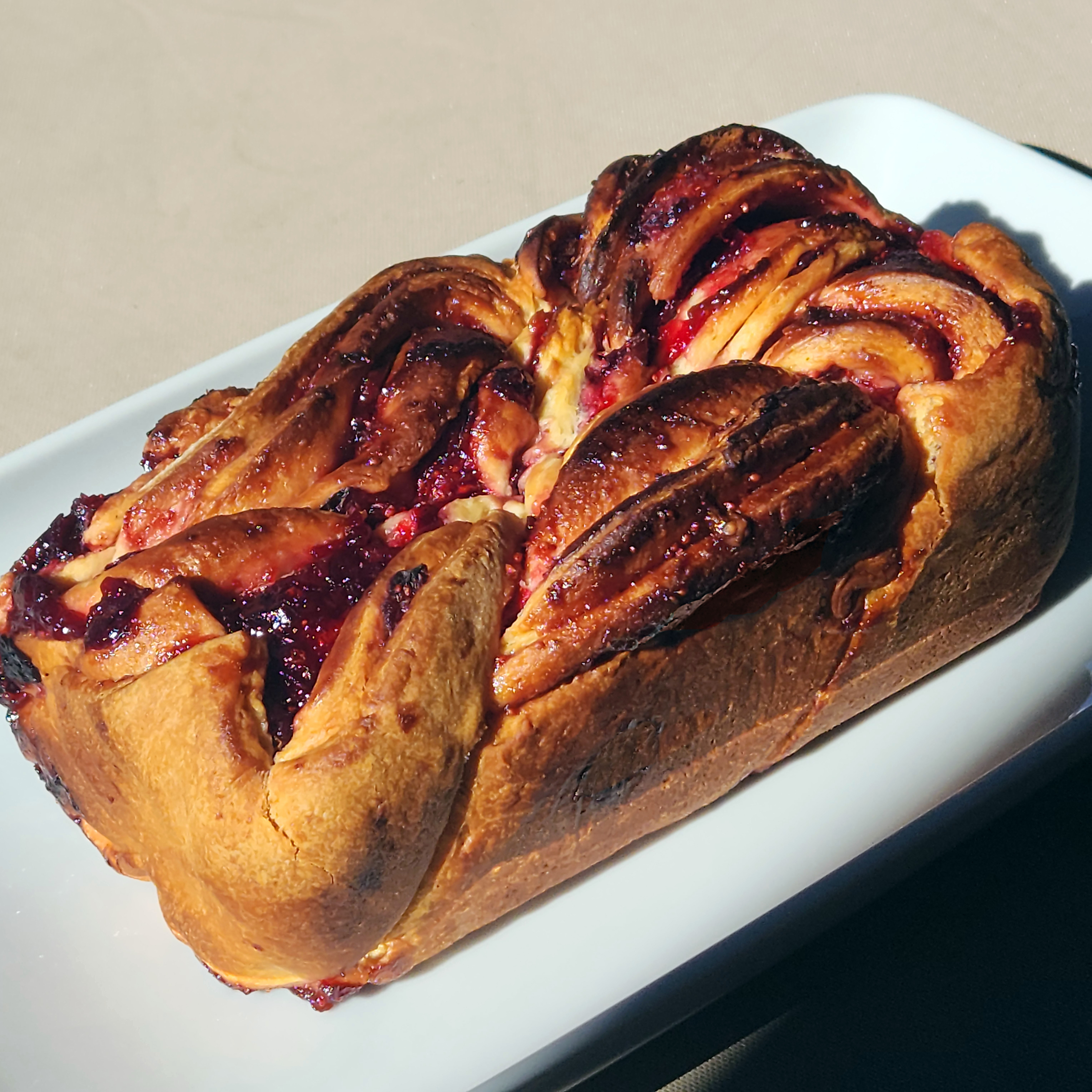
 Sweet Jumbles